AI-Native Software Engineering
From coding assistants to agentic engineering
Agent loops. Context engineering. Coding agents. Verification-first development.
AI coding has moved beyond autocomplete. Modern coding agents can inspect repos, plan changes, edit files, run tests, and prepare pull requests. The engineers who matter next won't just prompt AI — they'll design agent loops, engineer context, set safe execution harnesses, and verify the work with tests, reviews, and evidence. This is a half-day, hands-on workshop for professional engineers on that discipline — with Claude Code as the working example. AI Guru has trained 10,000+ professionals on Claude prompt engineering and runs the Claude Code Enterprise Mastery Program — this is the in-person Ahmedabad edition of that discipline.
Why Ahmedabad first?AI Guru's delivery HQ is in Ahmedabad — venue, hosting, and follow-up support are cleanest here for the first cohort. Based on pilot response, Bangalore, Pune, NCR, and Hyderabad editions are planned for the following months — register here to get notified when your city is next.
Venue updateThe workshop will be held in Ahmedabad — we're finalising the exact venue in the next few days. Registered participants will be emailed the confirmed address as soon as it's locked.
See it live
This is what agentic engineering looks like — on stage
Real audiences. Real slides. Real agentic-AI demos with LiteLLM traces running behind Ritesh — not stock footage, not screenshots.
Generative AI is powered by foundation models
Enterprise keynote · foundation-models framework on stage
The tipping point for Generative AI
UBS Innovation Series · New York
Delivered by
Ritesh Vajariya — on stage, on the road
Two decades in enterprise AI, cloud, and engineering leadership. Keynotes across four continents — and full-hall workshop sessions across Indian engineering colleges. Live agentic-AI demos on stage.
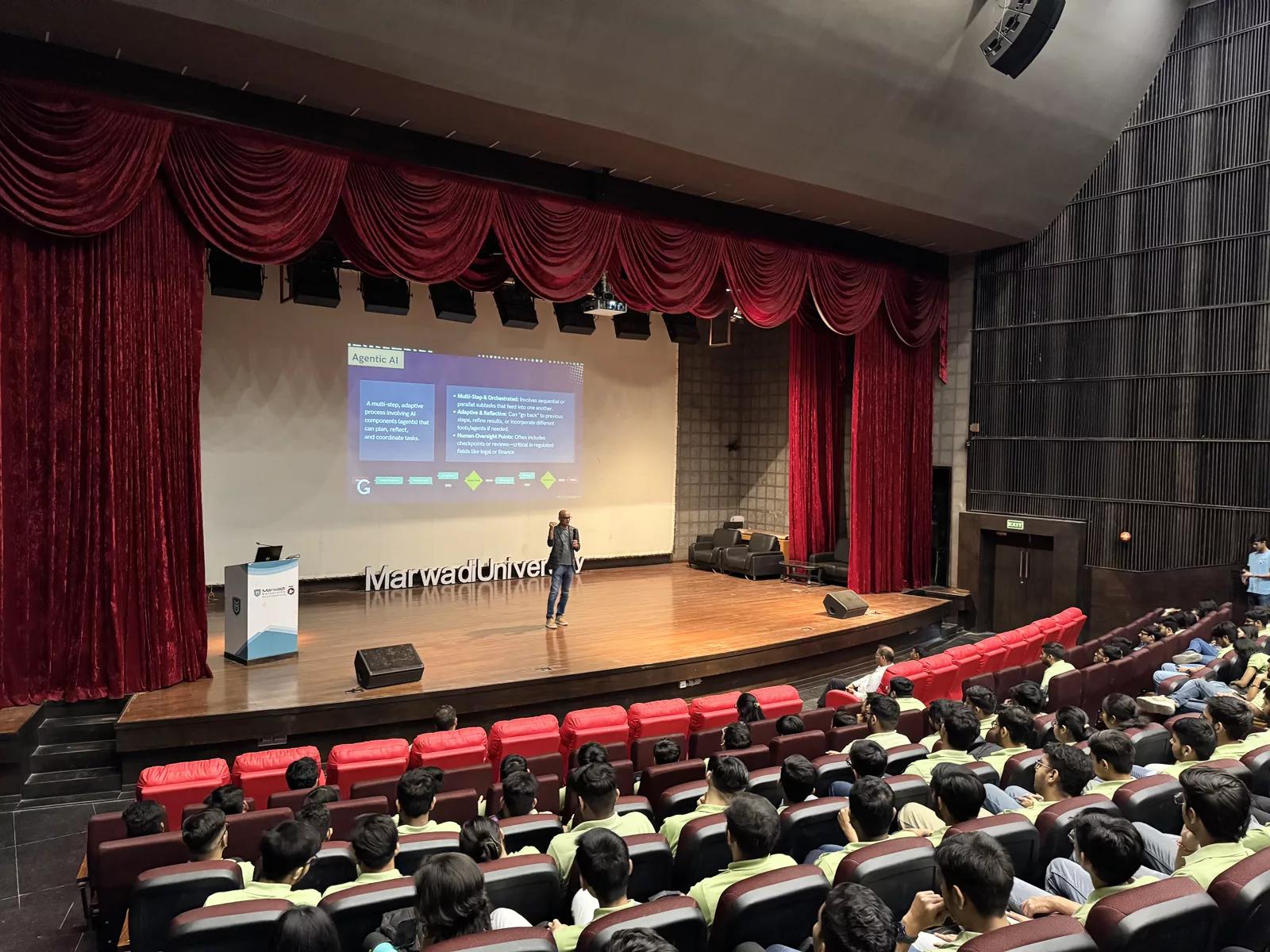
Full-hall workshop
India · Marwadi University
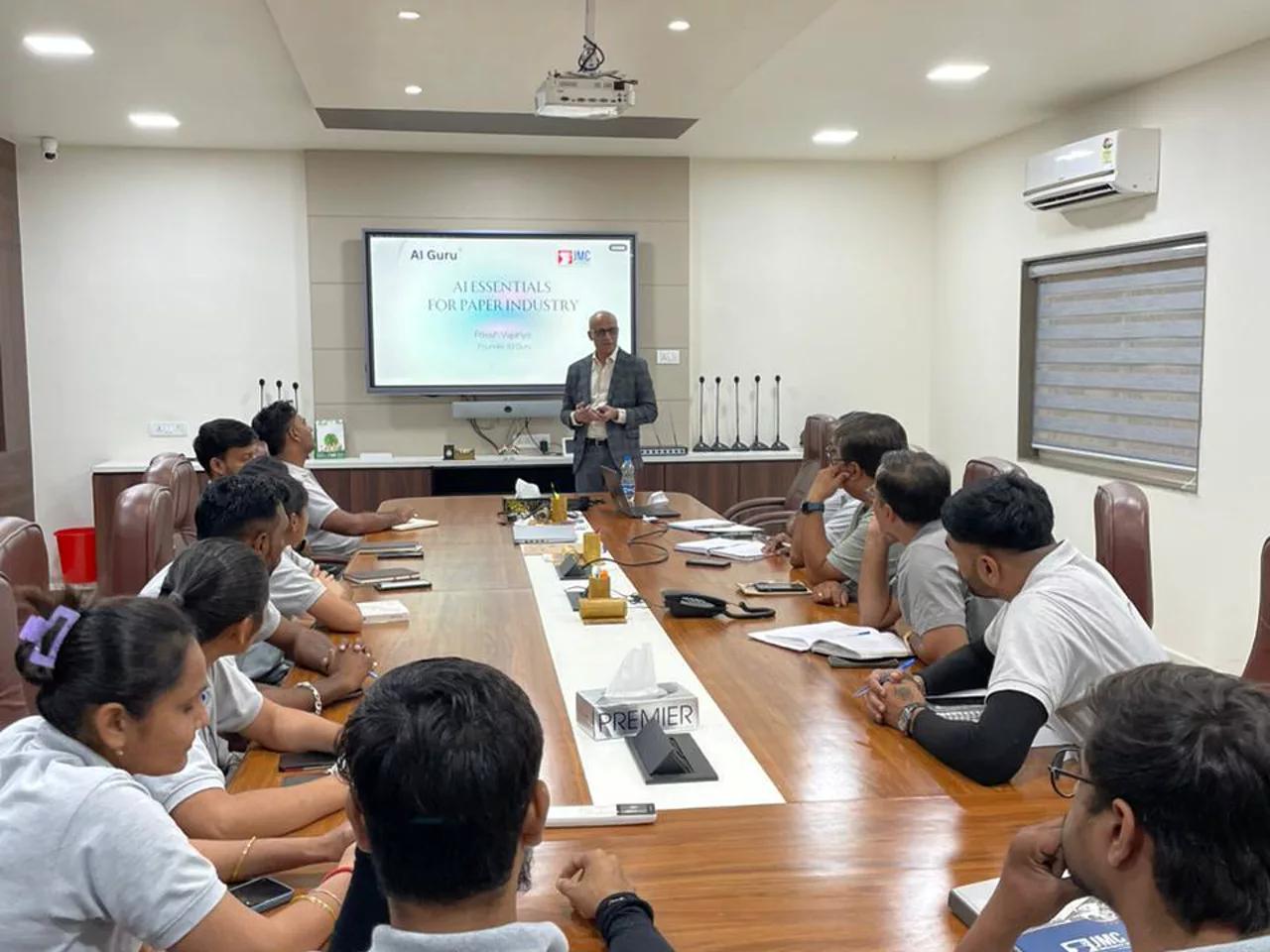
Corporate AI workshop
Ahmedabad · 2025
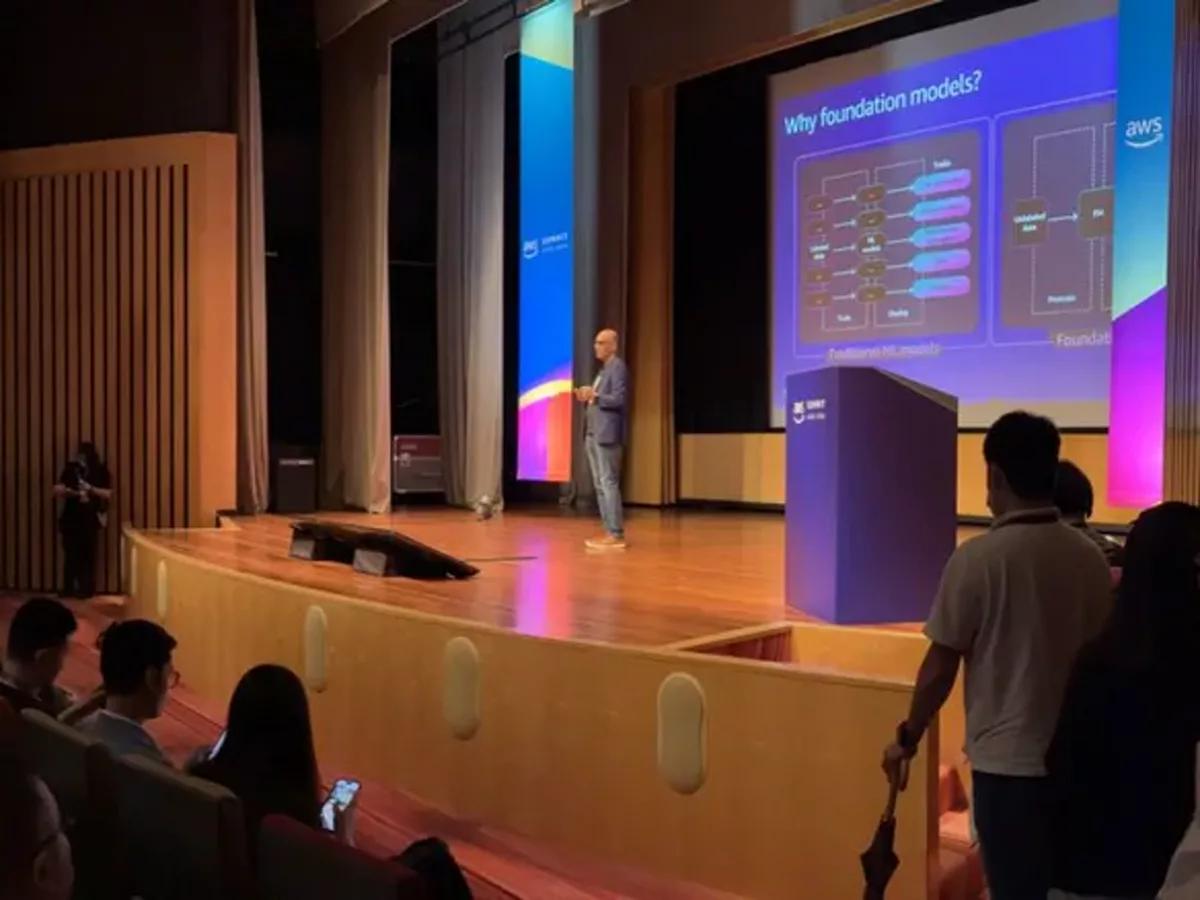
AWS Summit
Hong Kong
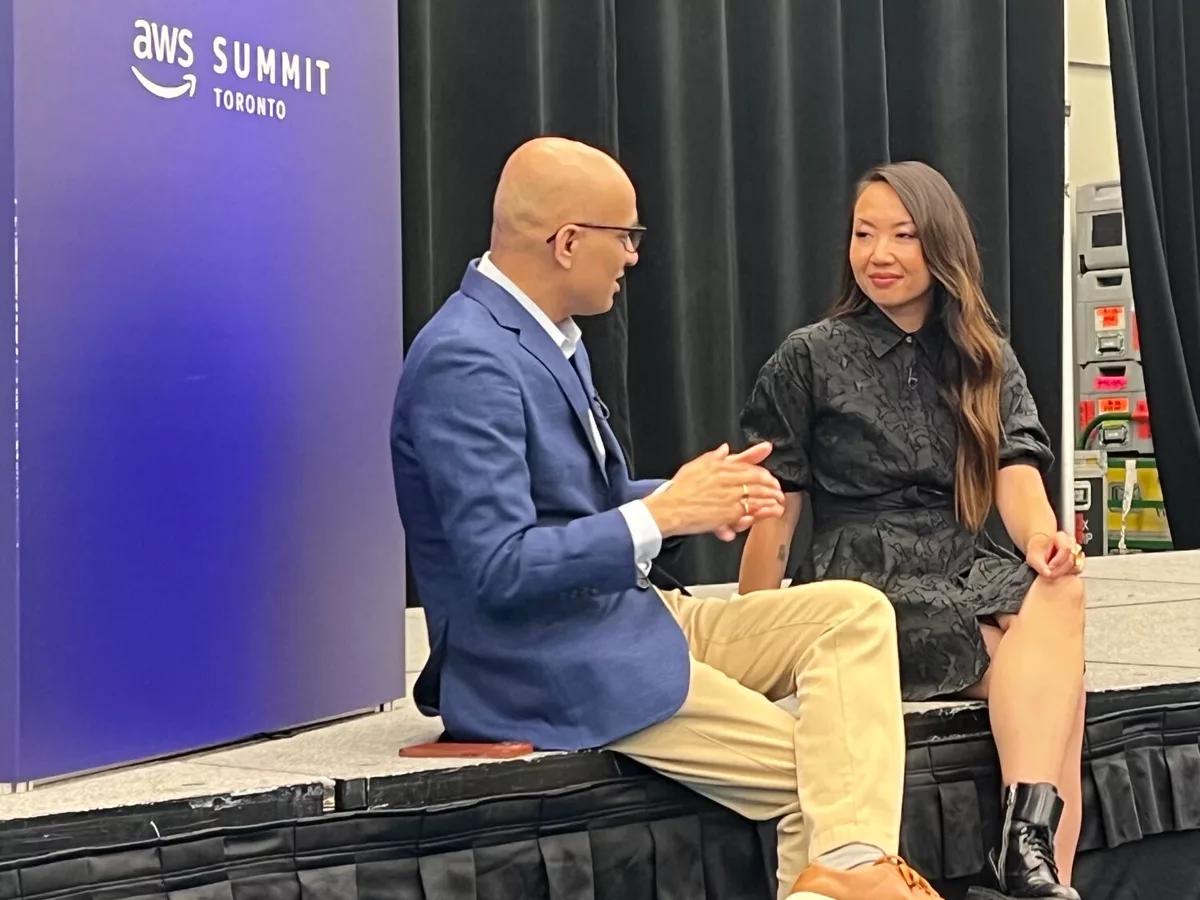
AWS Summit · fireside chat
Toronto
AI Agents keynote
Live · agentic AI
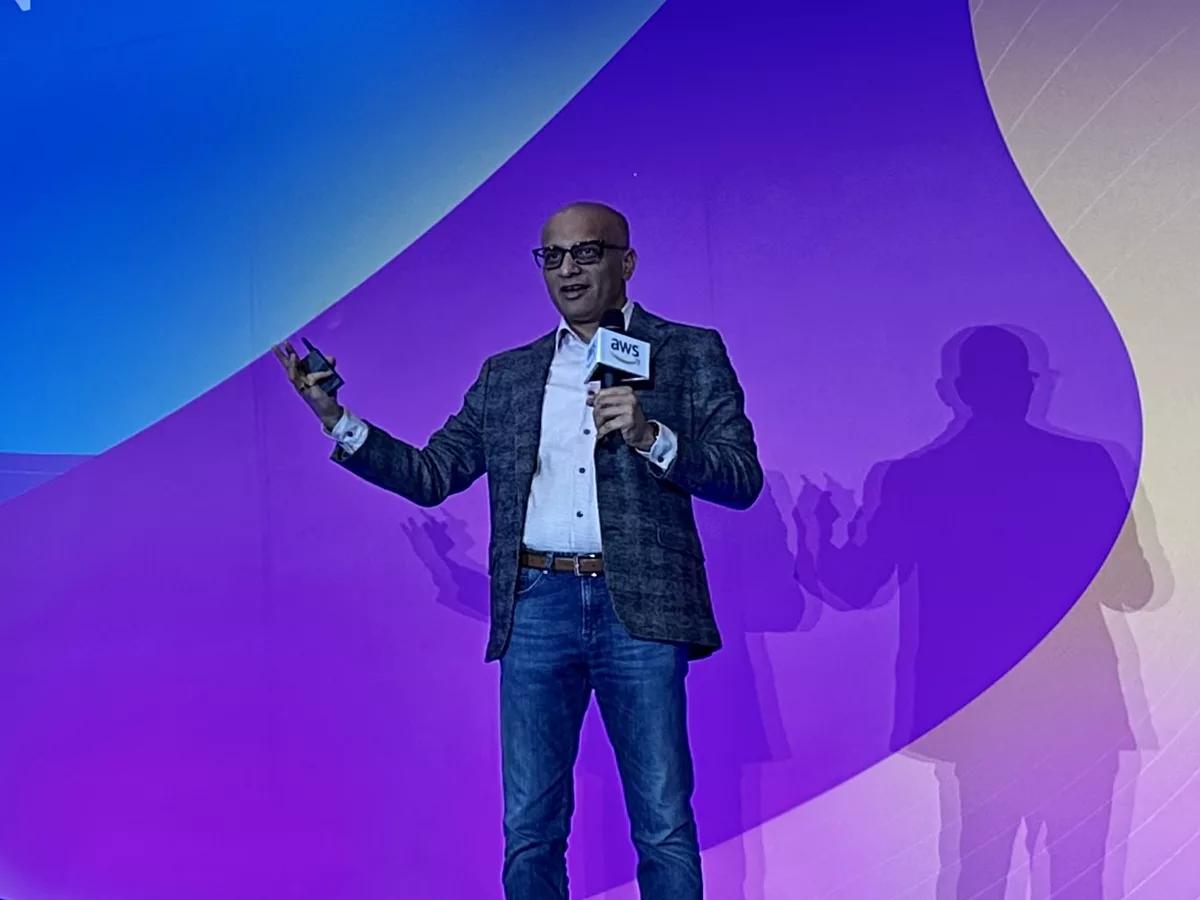
AWS Summit
Taiwan
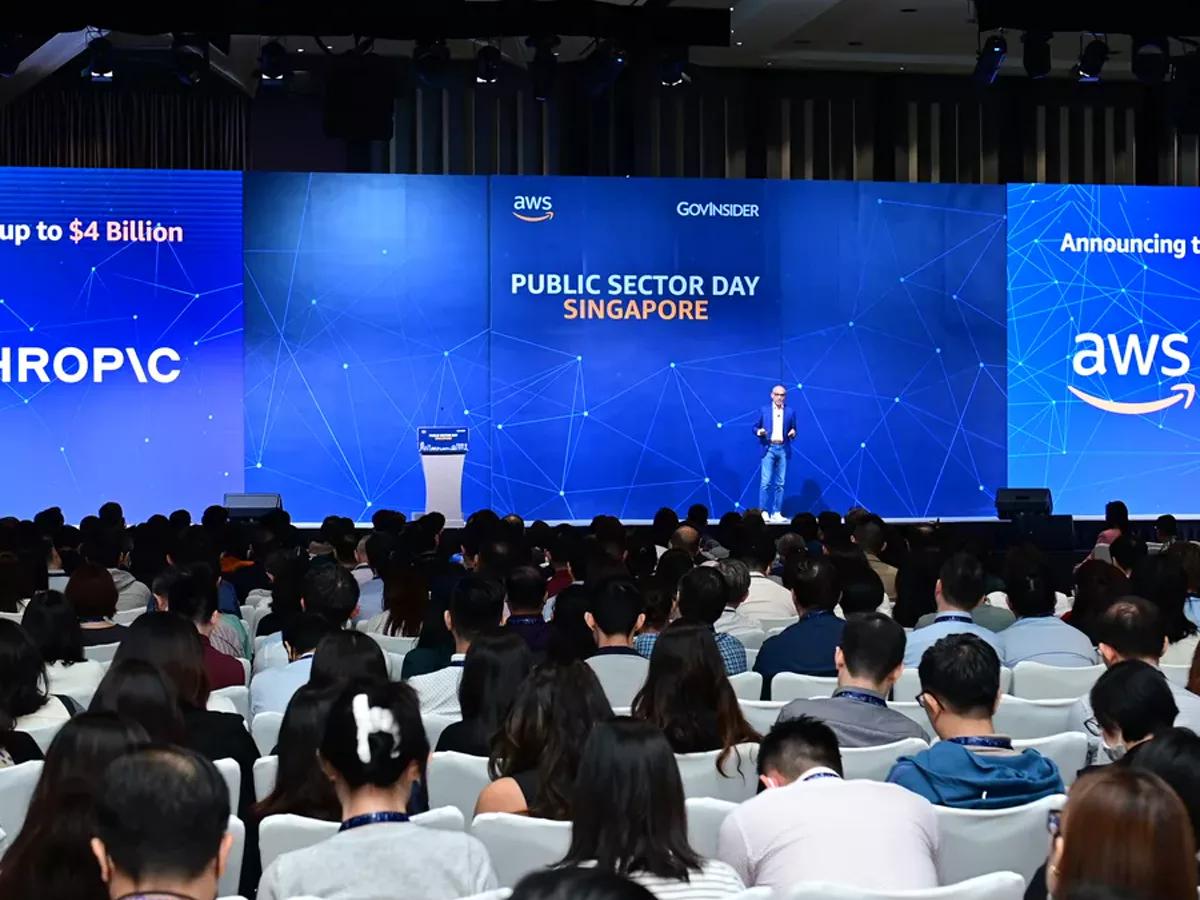
AWS Public Sector Day
Singapore
Foundation models · framework
Live · enterprise keynote
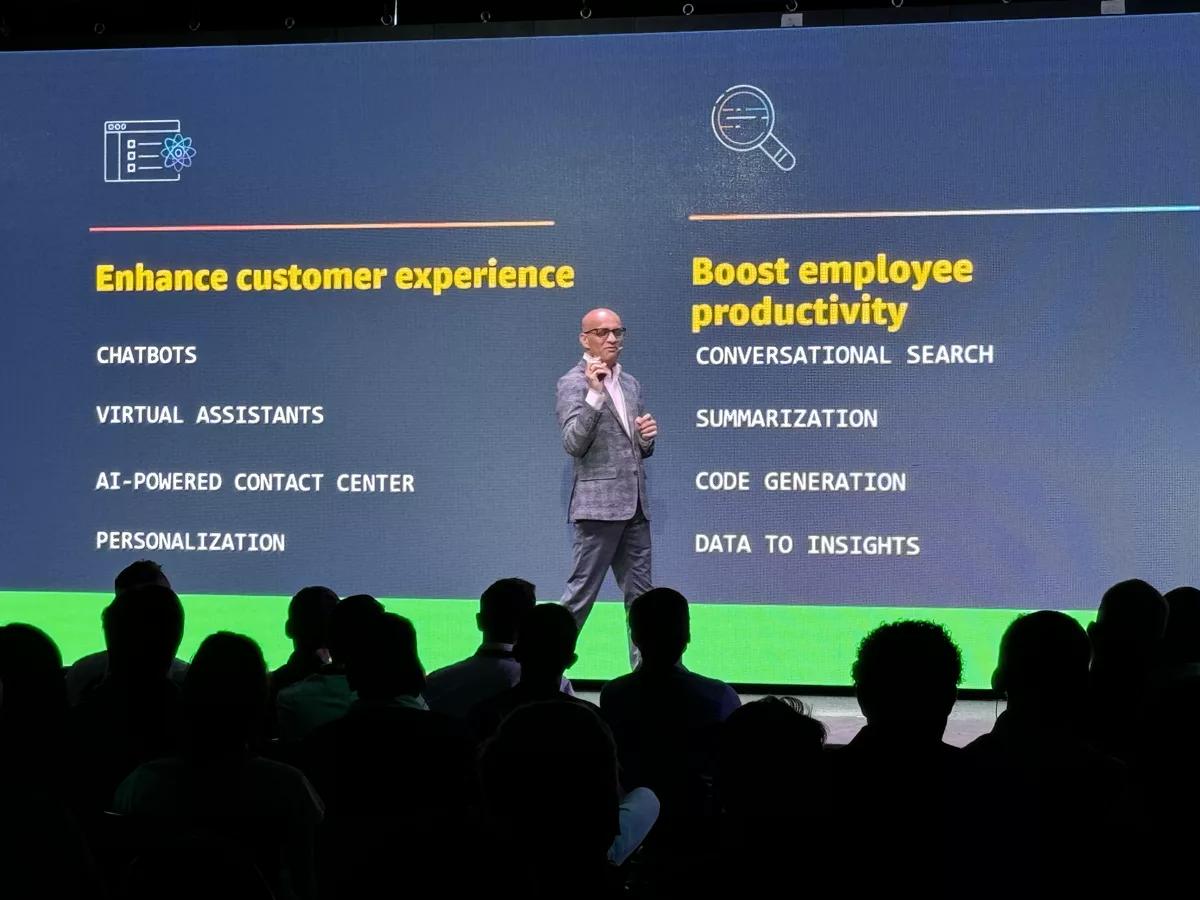
Code generation · GenAI capabilities
Enterprise keynote
True Agentic AI · demo
Live · on stage
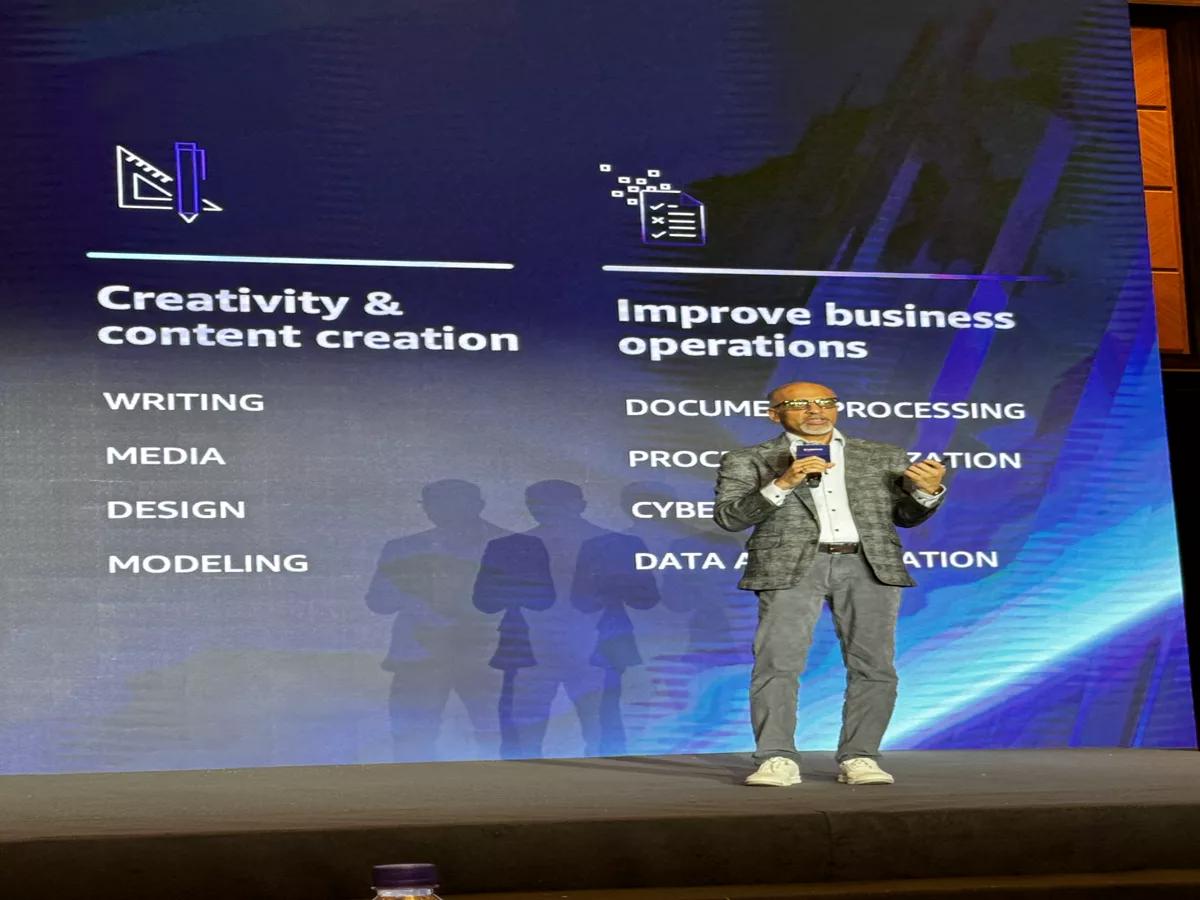
GenAI enterprise keynote
Beijing
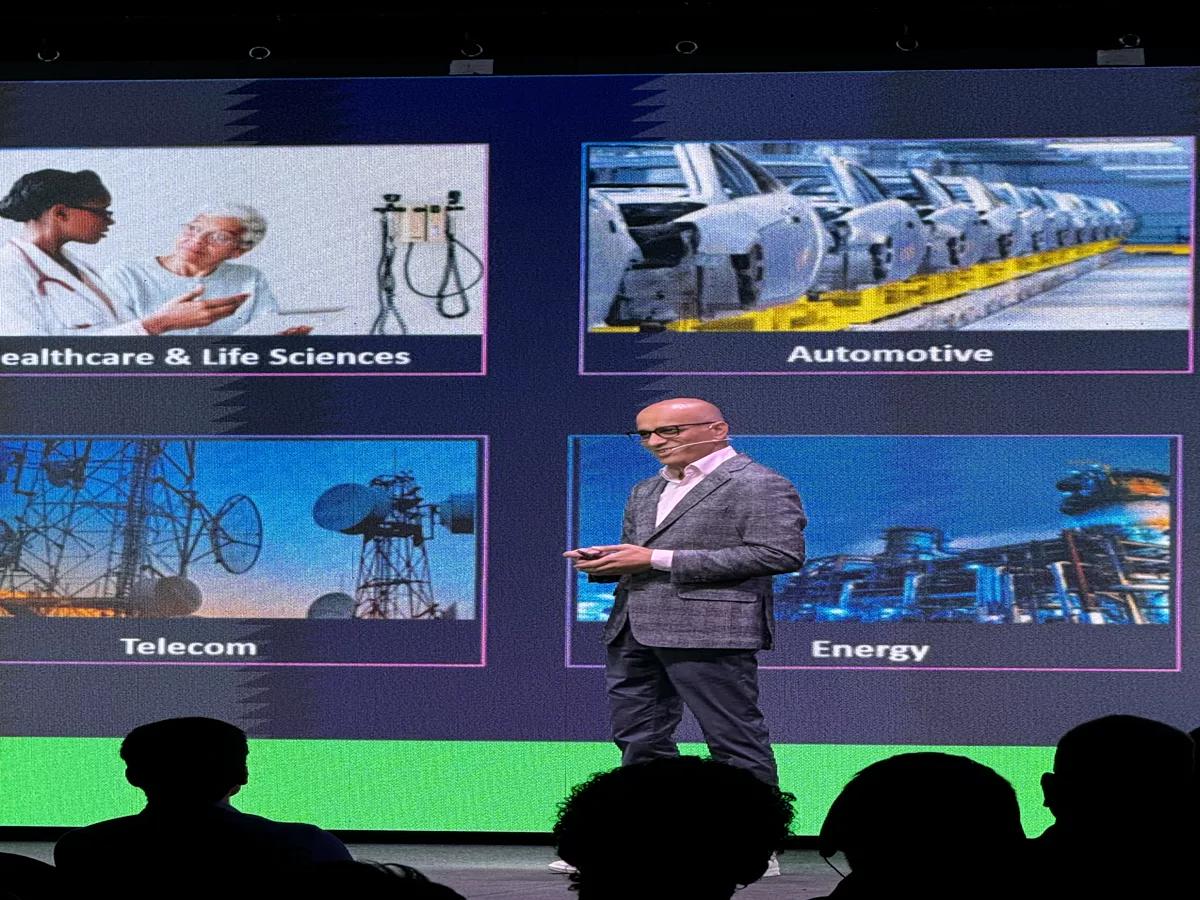
AI for industry verticals
Argentina
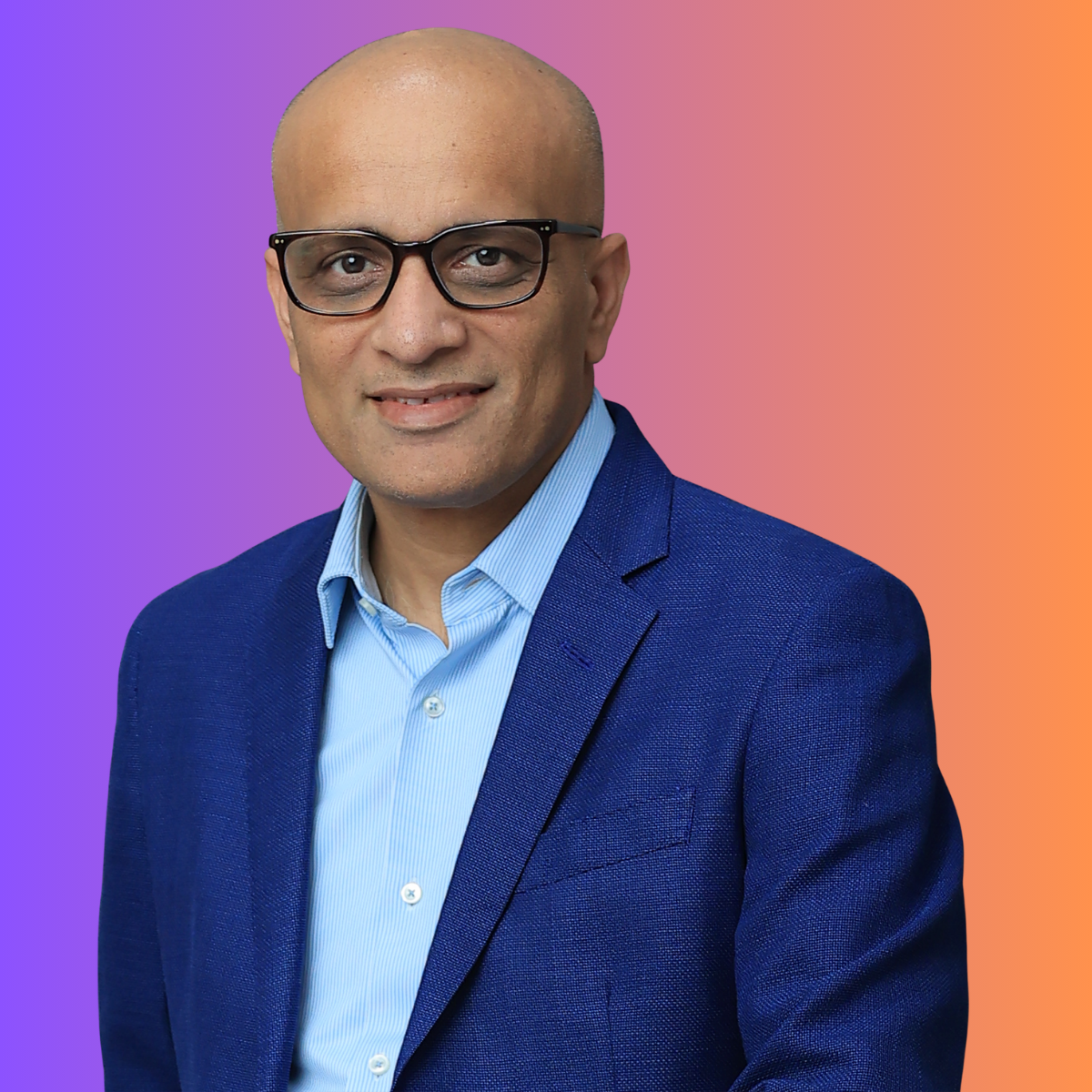
Delivered by
Ritesh Vajariya
Founder, AI Guru · Author, AI-Native Engineer (forthcoming)
Two decades building AI, cloud, and engineering platforms — from Amazon Web Services (AWS) to Cerebras Systems to Bloomberg. Now teaches the discipline behind modern coding agents: context engineering, agent loops, execution harnesses, and verification-first development.
Global keynotes
4 continents
Claude prompt engineering
10,000+ trained
Trained globally
200K+ learners
Why this is different
The engineer's job just changed. This workshop teaches the new one.
Most AI-for-developer content stops at “here's how to ask an assistant to write a function.” That was 2023. Modern coding agents can inspect repositories, propose plans, edit files, run tests, debug failures, and prepare pull requests — end to end.
The engineers who compound value in this era don't “prompt better.” They design the loop the agent runs. They engineer the context the agent sees. They set the harness the agent operates in. And they verify the output before it merges. That is a real engineering discipline, and it's teachable.
This workshop is built for engineers who already ship production code and want to become AI-native — not because AI is replacing them, but because the engineers who own the loop, the context, the harness, and the verification will out-ship everyone else.
The future engineer is not replaced by AI. The future engineer manages AI work.
— Ritesh Vajariya, AI-Native Engineer
What alumni say
Notes from the Claude Code Enterprise Mastery course
Full transparency: the Ahmedabad workshop is a new pilot. Testimonials below are from Ritesh's Claude Code Enterprise Mastery Udemy course — same instructor, same framework, same discipline, condensed into a live half-day for the Ahmedabad cohort.
★★★★★“I love how you demo the more important parts of developing with Claude Code in an enterprise setting!”
Jonathan
Verified Udemy learner · 1 month ago
Claude Code Enterprise Mastery
★★★★★“The course by AI Guru and Ritesh Vajariya is already proving to be insightful, especially around AI-assisted coding and improving development workflows. Clear and easy-to-follow explanations.”
Jaykishan
Verified Udemy learner · 3 months ago
Claude Code Enterprise Mastery
“The instructor is a Guru and the course is a game changer. Security and governance must be considered as part of architecture design from the start. A well-deserved 5 mega stars.”
Cyprian
Verified Udemy learner
Claude Code Enterprise Mastery
Engineers from these teams have taken Ritesh's prior programs
…plus 10,000+ individual engineers across Coursera and Udemy programs. The Ahmedabad workshop pilot invites this same audience in person.
The signature framework
The AI-Native Engineering Stack
Four pillars. Teachable in one glance. Durable for the next decade of software engineering.
Context
What the agent knows
The bottleneck isn't better prompts — it's better context. What's the repo shape? What are the coding standards? What are the failing tests telling us? What's the architecture doc say?
- →Repo maps, ADRs, and architecture docs
- →Coding standards + prior decisions
- →Failing tests, logs, and traces
- →AI-ready engineering briefs
Loop
How the agent works
Read → plan → act → observe → verify → revise. A disciplined loop turns coding agents from party tricks into production tools. This is where the engineer stops being a coder and starts being a supervisor.
- →Plan-first workflows before touching code
- →Small diffs, tested incrementally
- →Explicit acceptance criteria per step
- →Stop conditions and evidence bundles
Harness
What the agent can do
Boundaries beat instructions. File permissions, approval gates, cost + retry limits, network policy — the harness is what keeps agent autonomy safe.
- →File and shell permissions
- →Approval gates for risky actions
- →Cost, retry, and time budgets
- →Sandboxes and network policies
Verification
How we prove it worked
Tests as agent contracts. Reviews as evidence. In AI-native engineering, tests aren't just quality control — they're how humans communicate constraints to agents.
- →Tests as first-class specifications
- →Static, dynamic, and security checks
- →PR-ready evidence bundles
- →Human review of the diff, not the story
Weak agent instruction
Build login feature.
One line. No context. No stopping condition. Coin-flip results.
Strong agent loop
wait for approval → implement small diff →
run tests → fix failures → summarize
evidence → stop when acceptance criteria pass.
Context, loop, harness, and verification — all four, all present.
Half-day agenda
Four hours · Framework · Hands-on · Career playbook
Roughly 50% lecture (framework + worked examples) and 50% hands-on (Claude Code agent loop, context engineering exercise, PR evidence bundle).
| 0:00–0:20 | The AI-Native Engineer — From Coder to Agent Supervisor |
| 0:20–0:55 | The New Stack — Context, Loop, Harness, Verification |
| 0:55–1:45 | Hands-on — Build a Feature with Claude Code Using an Agent Loop |
| 1:45–2:00 | Break |
| 2:00–2:35 | Context Engineering — Repo Maps, ADRs, and AI-Ready Briefs |
| 2:35–3:10 | Verification-First Development — Tests, Reviews, Evidence Bundles |
| 3:10–3:40 | Agentic CI/CD — Where AI Goes Beyond Writing Code |
| 3:40–4:00 | Career Playbook — Becoming an AI-Native Engineer |
The hands-on centrepiece
You'll build a real feature with a disciplined agent loop
Not “ask Claude to build X.” A supervised, tested, PR-ready feature — with evidence at every step.
The disciplined Claude Code workflow
- 1Start with a feature request
- 2Ask Claude Code to inspect the repo
- 3Ask it to summarize the architecture
- 4Ask it to propose an implementation plan
- 5Approve only a small, well-scoped change
- 6Let it edit files
- 7Run tests
- 8Inspect any failure
- 9Ask it to fix
- 10Ask for a PR summary and evidence bundle
- 11Review the diff manually
Claude Code is powerful. The engineer owns the loop.
That is the message. That is the discipline.
This is the same discipline AI Guru teaches in the Claude Code Enterprise Mastery Program (live on Udemy for global learners) — condensed into 4 hours in-person for the Ahmedabad pilot cohort.
Claude Code · multi-task prompt + failure diagnostic
From Claude Code Enterprise Mastery · Section 2
Proof of practice
Not theory — real Claude Code, real terminal, real diagnostic
A 35-second window from Ritesh's Claude Code Enterprise Mastery course. Watch a multi-task prompt run in parallel, Claude Code analyse 14 test failures with specific sandbox EPERM errors and a floating-point comparison issue, and produce a clean summary — the exact discipline you'll practice in the Ahmedabad workshop.
No cuts, no talking-head editing. This is what Claude Code looks like in the hands of someone who teaches it.
Tools you'll work with
What you'll build in 4 hours
Six concrete artifacts you leave with
Not “you'll be able to” — six things you'll actually build, test, and take home — starting with a working Claude Code project on your own repo.
1 working Claude Code project
In your repo, in your language, shipping a real feature. Not a toy demo — a supervised, tested, PR-ready diff that you keep and iterate on the next day.
1 AI-ready context brief
You'll compose one from scratch for your own stack: repo map, ADRs, coding standards, failing tests, constraints. Turn 'add payment support' into a spec an agent can actually execute.
1 harness configuration
Permissions, approval gates, cost + retry limits, sandbox policy — tuned to your team's risk tolerance. You'll leave with the exact config, not a lecture on 'safety.'
1 PR-ready evidence bundle
Tests, static + security checks, review summary, before/after diff. The artifact your senior engineer or CI/CD system needs to approve AI-written code.
1 agent-loop playbook
Plan → act → observe → verify → revise, with explicit stop conditions. The exact loop you ran during the workshop, ready to drop into your team's runbook Monday morning.
1 peer-reviewed sign-off
40–60 professional engineers in the room. Your loop, your context brief, your harness — reviewed by peers, sharpened on the spot. You leave with a validated approach, not a Google doc.
Six artifacts. Four hours. One repo you own after.
Invite-only cohort · we'll be in touch within 3 business days.
Tangible takeaways
What you keep after the session
Every attendee receives
AI Guru® Certificate of Participation
Signed by Ritesh Vajariya, Founder of AI Guru. Issued digitally after the workshop — LinkedIn-shareable, printable, verifiable, and yours to keep.
Preview shown — your certificate will carry your name and the event date.
Curated audience
Who this session is for
A room of engineers who already ship real code — so the hands-on time actually lands. What matters is real production experience, not years on the resume. Junior engineers with 1–2 years shipping in production, mid-level engineers, senior engineers, tech leads, and founding engineers from Ahmedabad, Bangalore, Pune, and NCR product companies + growth-stage startups are all welcome. Cohort is capped at 40–60 and curated so everyone can follow the code — not a mixed campus room.
Non-technical professional interested in AI? See our AI for Working Professionals track →
Questions
Frequently asked
Do I need to know Claude Code, Cursor, or Copilot beforehand?+
No prior experience with coding agents is required — we set up the tools together. What we do assume: you already write software professionally, use git, understand tests, and have opinions about code quality. This is not a first-AI session; it's the discipline layer on top of one.
What programming languages and stacks are covered?+
The framework — context, loop, harness, verification — is stack-agnostic. Hands-on demos use a mix of Python, TypeScript/Node, and Go; the patterns apply equally to Java, Rust, C#, etc. Bring your own laptop and preferred language.
Is this hype about 'AI replacing engineers'?+
The opposite. This session is grounded in the position that AI does not replace engineers — it changes what engineers do. The future engineer is not a prompt writer; the future engineer is an agent supervisor, context engineer, and owner of correctness. That is the message, and the workshop teaches the discipline behind it.
How much of the session is hands-on vs lecture?+
Roughly 50/50. The framework sessions (Context, Loop, Harness, Verification) are taught with worked examples and live diffs. The 50-minute Claude Code block is fully hands-on — you build a real feature with an agent loop and take away the working project.
What should I bring?+
A laptop with git, Node.js 18+, and a code editor (VS Code, Cursor, or JetBrains). We'll help you set up Claude Code, Cursor, or a Copilot equivalent during the first hands-on block. Bring a repo you know well — you'll get more out of the exercises applying them to real code.
Is this only for senior engineers?+
No — what matters is real production experience, not years on the resume. Junior engineers with 1–2 years shipping in production are welcome, so are mid-level and senior engineers, tech leads, and founding engineers. What we do assume: you already write, test, and ship software professionally, use git, and read reviews. The framework becomes more valuable the more code you own. For students still in college, we run a separate campus edition tuned for placement readiness — see /events/ai-native-engineer-students.
Will there be a recording?+
No live recording distributed publicly. Attendees receive slides, worked examples, the reading list, and the working Claude Code project. Video segments may be re-used in later AI Guru content — attendees will be asked before any personal footage is used.
Is there a fee?+
The Ahmedabad pilot is running invite-only for the first cohort — no seat fee for confirmed participants. What you get: the working Claude Code project, all six artifacts, the reading list, and the AI Guru® Certificate of Participation. Apply via the register form; our team reviews and confirms within 3 business days.
Will this be run in other cities?+
Ahmedabad on 8 August 2026 is the pilot. AI Guru's delivery HQ is Ahmedabad, so venue, hosting, and follow-up support are cleanest there for the first cohort. Based on response, Bangalore, Pune, NCR, and Hyderabad editions are planned for the following months. Register here to get notified when your city is next — your details flow into the invite list for the next city.
Can my company host this internally for our engineering team?+
Yes. If you'd like to run this as an internal engineering-team session at your company (30–100 engineers), we can customise the agenda around your stack, your codebase, and your current AI tooling. Reach out via the partner CTA on this page.
Ahmedabad pilot · 2026
Apply for a seat in the pilot cohort
Ahmedabad on 8 August 2026 — 40–60 engineers, half-day format, hands-on with Claude Code. Invite-only pilot — apply and our team confirms your seat within 3 business days. Bangalore, Pune, NCR, and Hyderabad editions planned for the following months.
Or email us directly at [email protected]