Build•21 min read•Advanced
The Hidden Memory Layer Behind Long-Context AI
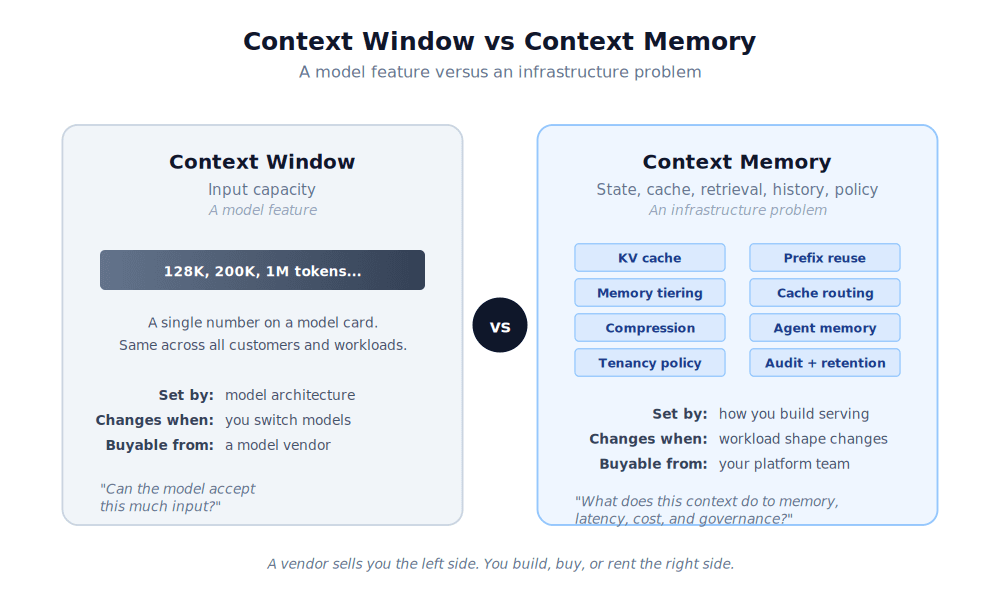
Why inference context memory, not GPU compute, is the next AI bottleneck. A practitioner's guide to the KV cache, prefix caching, memory tiers, and governance.
Ritesh Vajariya
AI Guru® Insights
Practical insights, governance frameworks, and career guidance for professionals navigating the AI-first era.
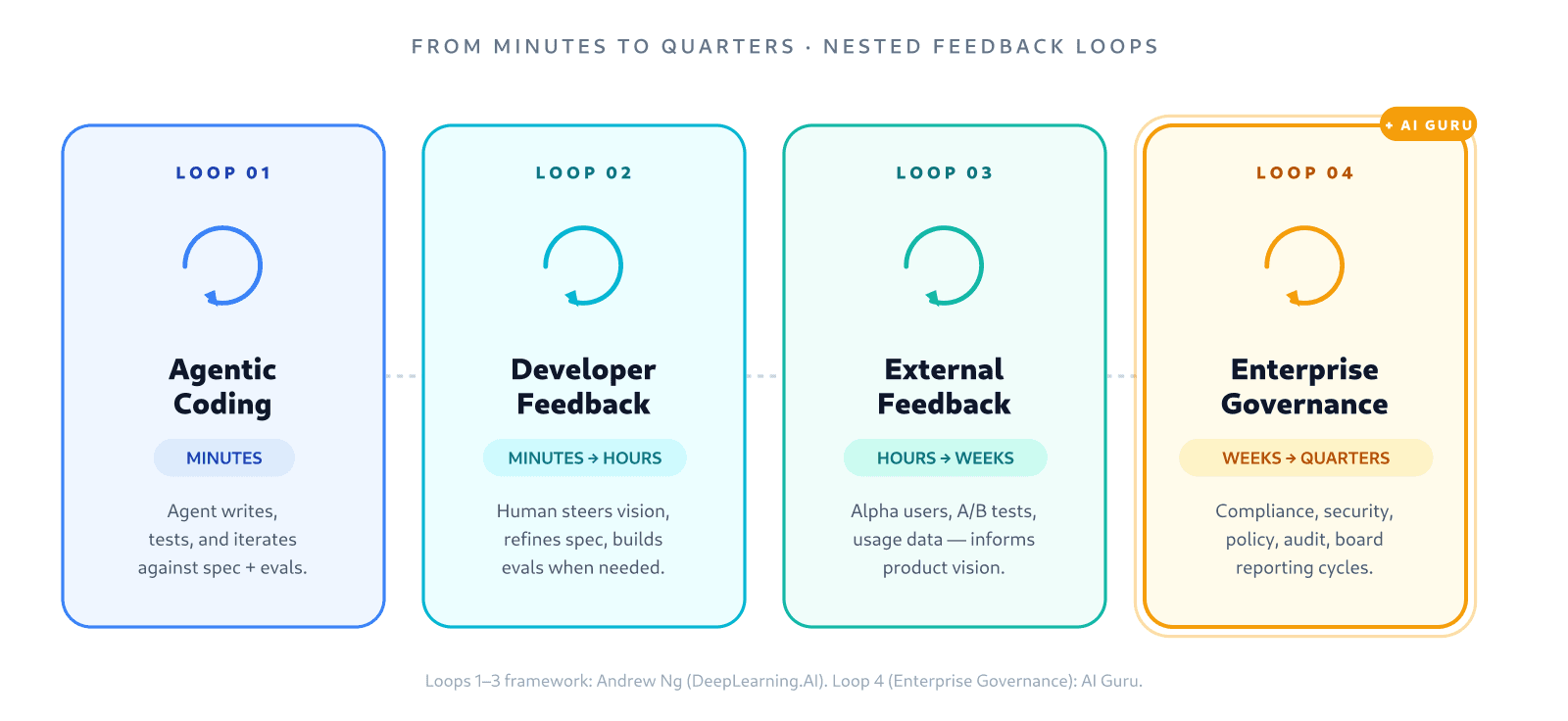
Andrew Ng's three loops for agentic coding are strong. Regulated enterprises need a fourth — the governance loop. Here's what Loop 4 looks like and why.
Why inference context memory, not GPU compute, is the next AI bottleneck. A practitioner's guide to the KV cache, prefix caching, memory tiers, and governance.

One gigawatt is a billion watts - the unit now defining AI data centers from Meta to OpenAI's Stargate, and why the world may need over 200 of them by 2030.
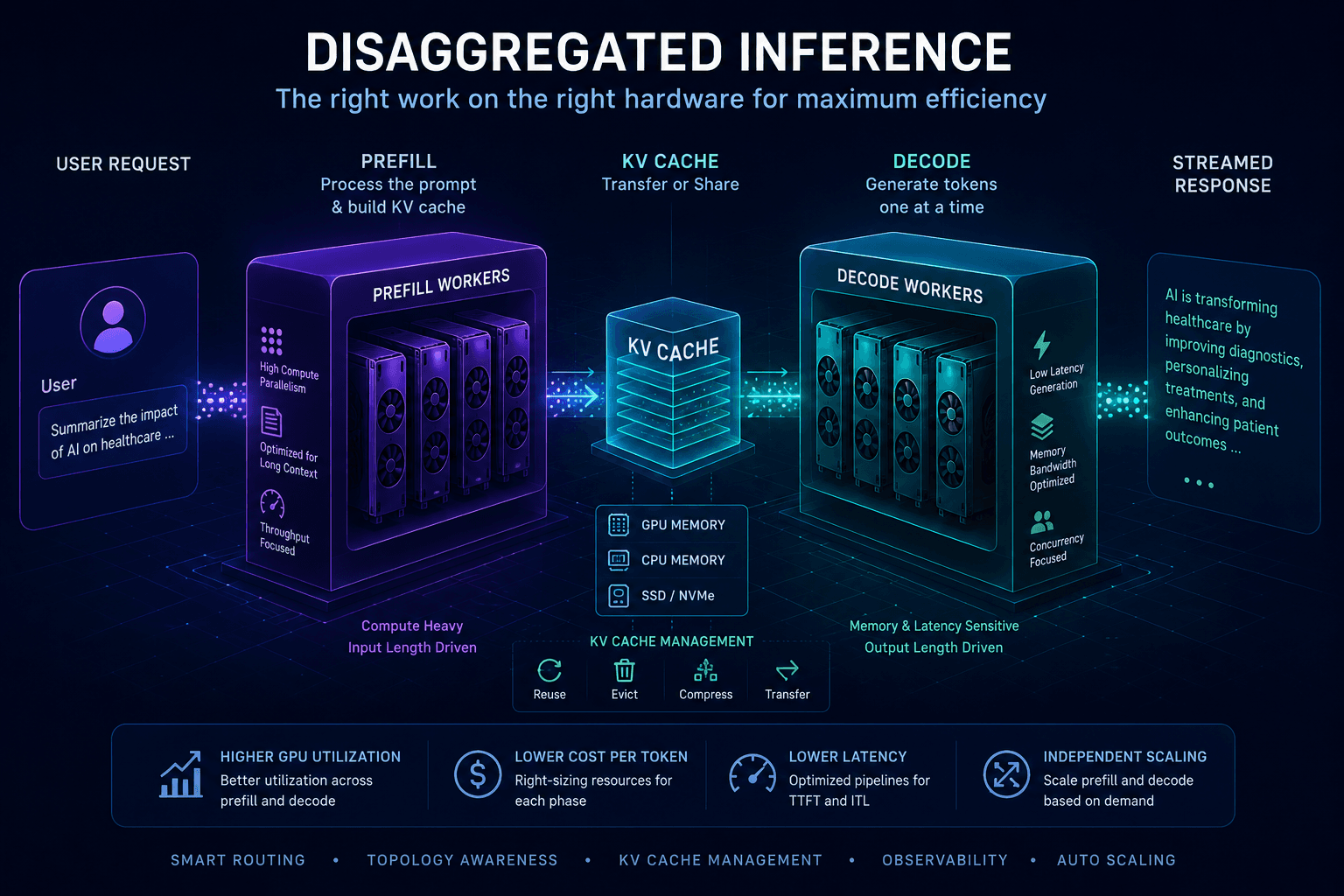
A primer on disaggregated inference: how separating prefill and decode reshapes LLM serving, why the KV cache matters, and when this architecture pays off.
From Flash Attention to RAG — the definitive dictionary for AI, ML, and Governance terminology.
Honest 2026 guide to US enterprise AI training across academic incumbents, skills platforms, and practitioners - how to choose by fit, not just brand prestige.
Most AI risk lives in vendor and SaaS tools you didn't build - manage it through procurement, vendor assessment, contracts, and ongoing monitoring controls.
ISO 42001 is the first AI management standard you can certify against - how auditing works, and how it complements NIST AI RMF and EU AI Act compliance.
Governing AI training data in practice - consent and legality, quality dimensions, sources of bias, and cross-border challenges, grounded in NIST and EU rules.
When to retire an AI system - regulatory shifts, performance decay, stakeholder opposition - plus a checklist for shutdown, transition, and notification.
A practitioner's walkthrough of the EU AI Act's four risk tiers, GPAI rules, and penalties up to 7% of global turnover - plus what the timeline means.
Policies without understanding produce compliance theater - how tiered AI literacy training, from board to staff, makes governance culture truly take root.
What model cards and dataset datasheets should document - intended use, limitations, metrics, ethics - and how to match documentation rigor to system risk.
When AI acts instead of advising, a governance failure becomes a bad outcome. Covers authority delegation, scope limits, oversight, and incident response.
How FTC Act Section 5 applies to AI - what makes a practice unfair or deceptive, enforcement actions, and emerging risks like AI-personalized dark patterns.
AI governance is an operating model, not a document - the roles, teams, and structure to scale oversight from 5 models to 500 without becoming a bottleneck.
A model can be 95% accurate overall yet 60% for one demographic - why testing needs the TEVV framework, disaggregated evaluation, and fairness analysis.