AI for Startups
AI-native startup building — without becoming an AI company
How founders and small teams ship faster with AI, know when NOT to build it yourself, and pitch AI capabilities to investors without the BS.
A hands-on workshop built for early-stage founders and small teams. You'll leave with the Buy · Build · Orchestrate decision framework, a working Claude Code MVP scaffold, growth-AI playbooks for non-technical co-founders, and the numbers to explain AI unit economics to your investors. Delivered by Ritesh Vajariya — ex-AWS, Cerebras, Bloomberg, and founder of AI Guru.
Delivered by someone who's on the stages founders want to be on
Real audiences. Real stages. Real GenAI content.
Two representative keynote moments — UBS Innovation Series in New York and a large enterprise venue on the foundation-models framework. This is who is teaching the Buy · Build · Orchestrate call in the room.
The tipping point for Generative AI
UBS Innovation Series · New York
Generative AI is powered by foundation models
Enterprise keynote · foundation-models framework
On stage, on the road
Keynotes across four continents
AWS Summits, enterprise stages, financial services investors. The room Ritesh brings to the peer clinic isn't a consultant — it's an operator.
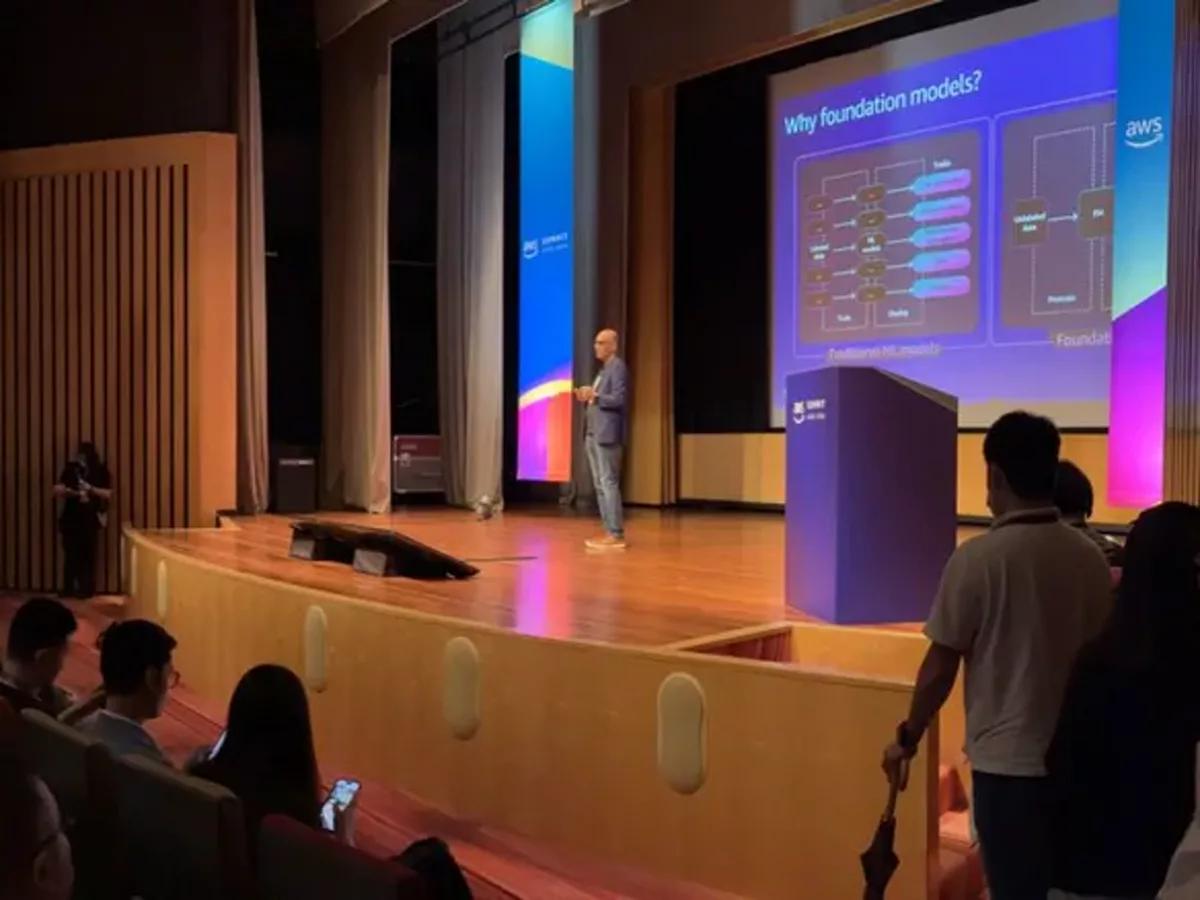
AWS Summit
Hong Kong
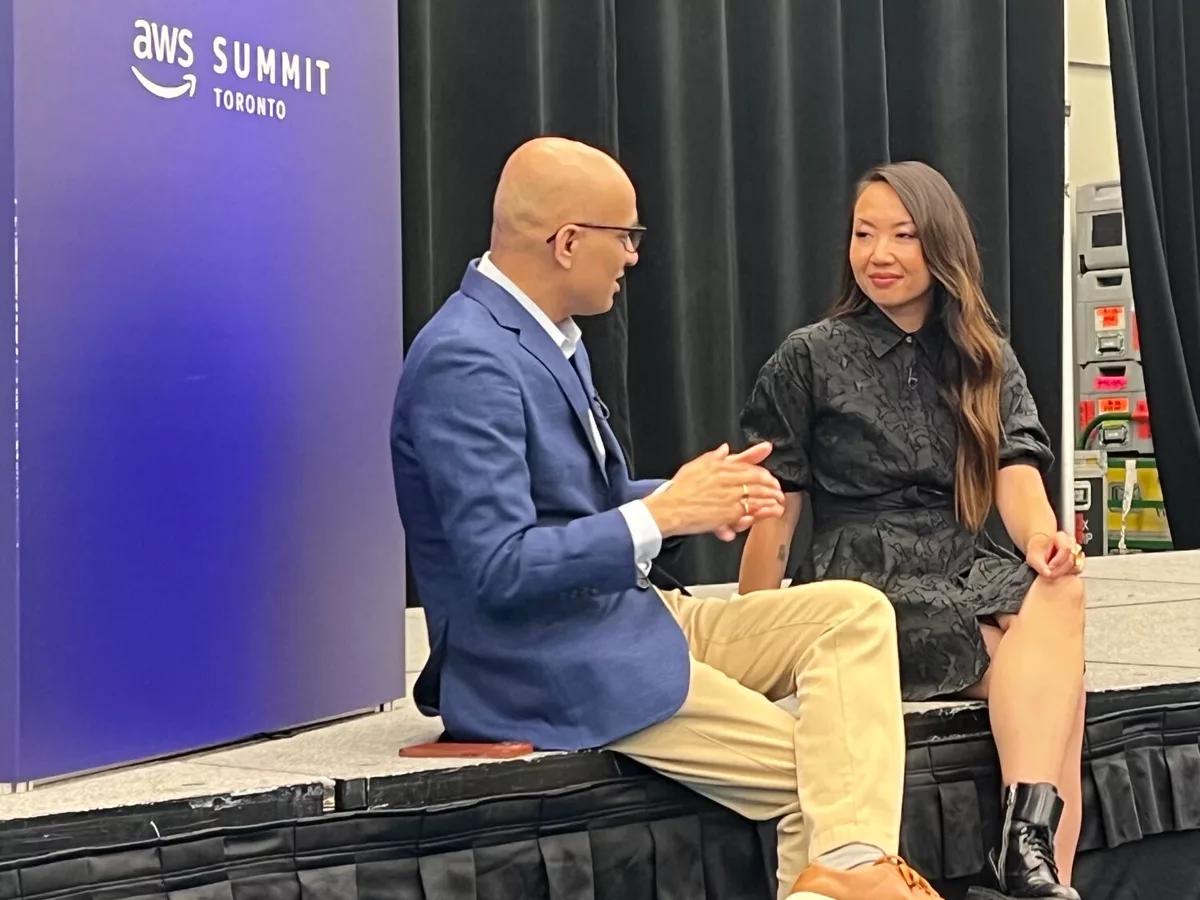
AWS Summit · fireside
Toronto
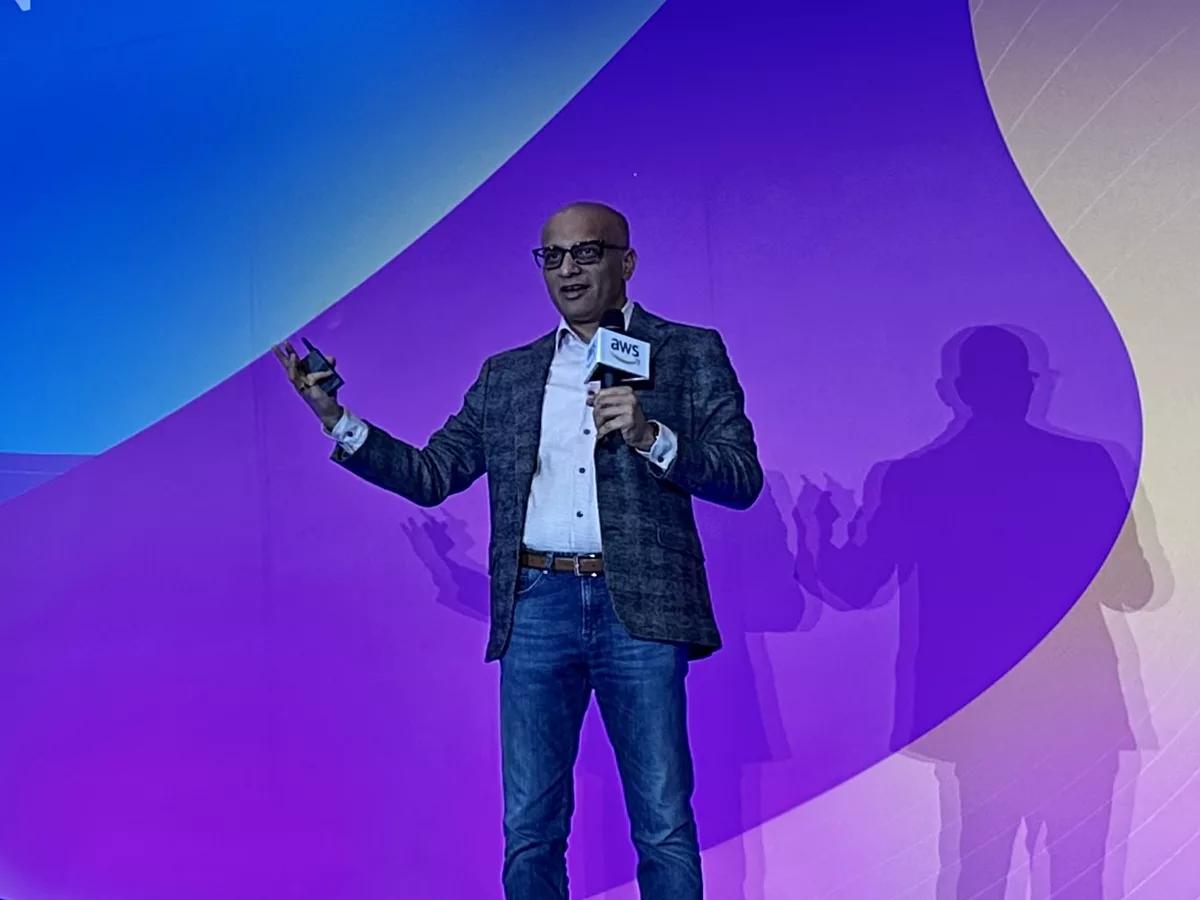
AWS Summit
Taiwan
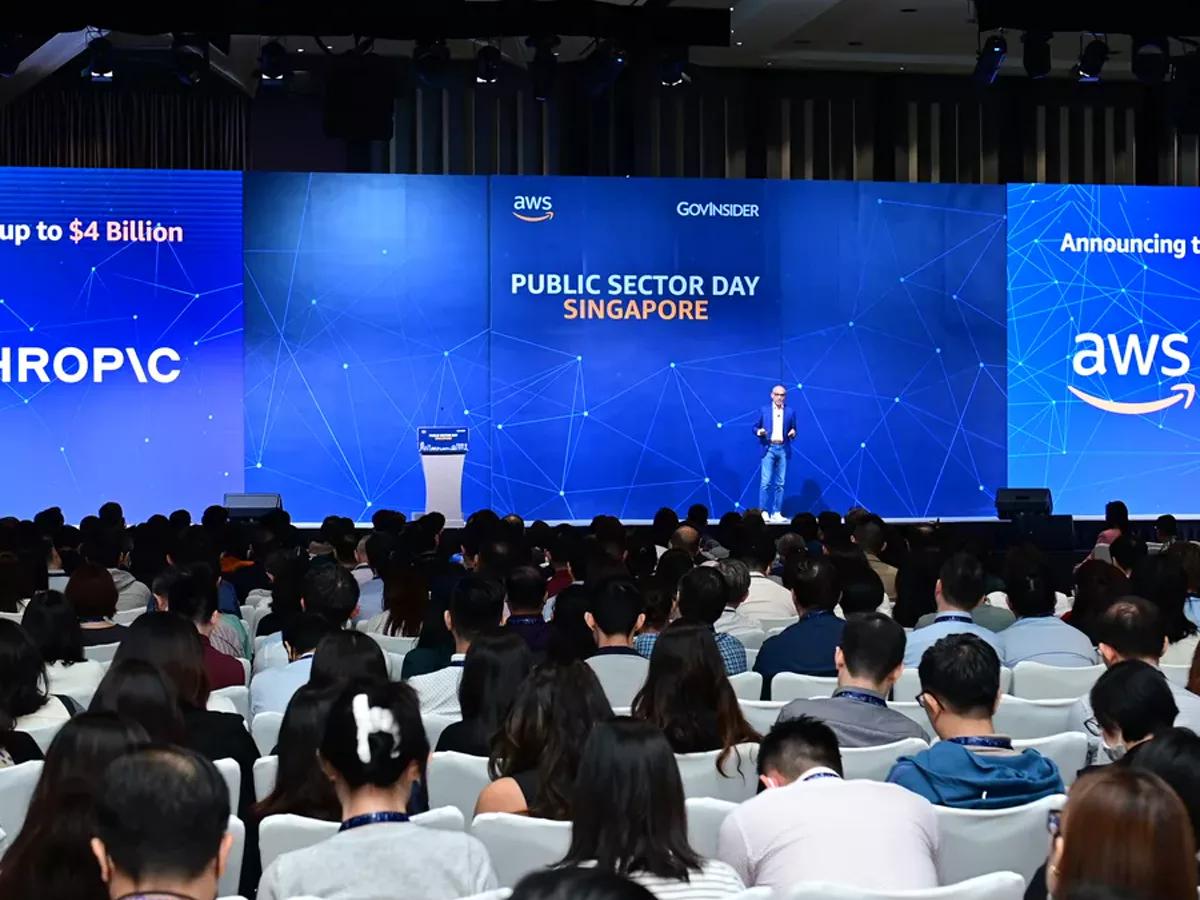
AWS Public Sector Day
Singapore
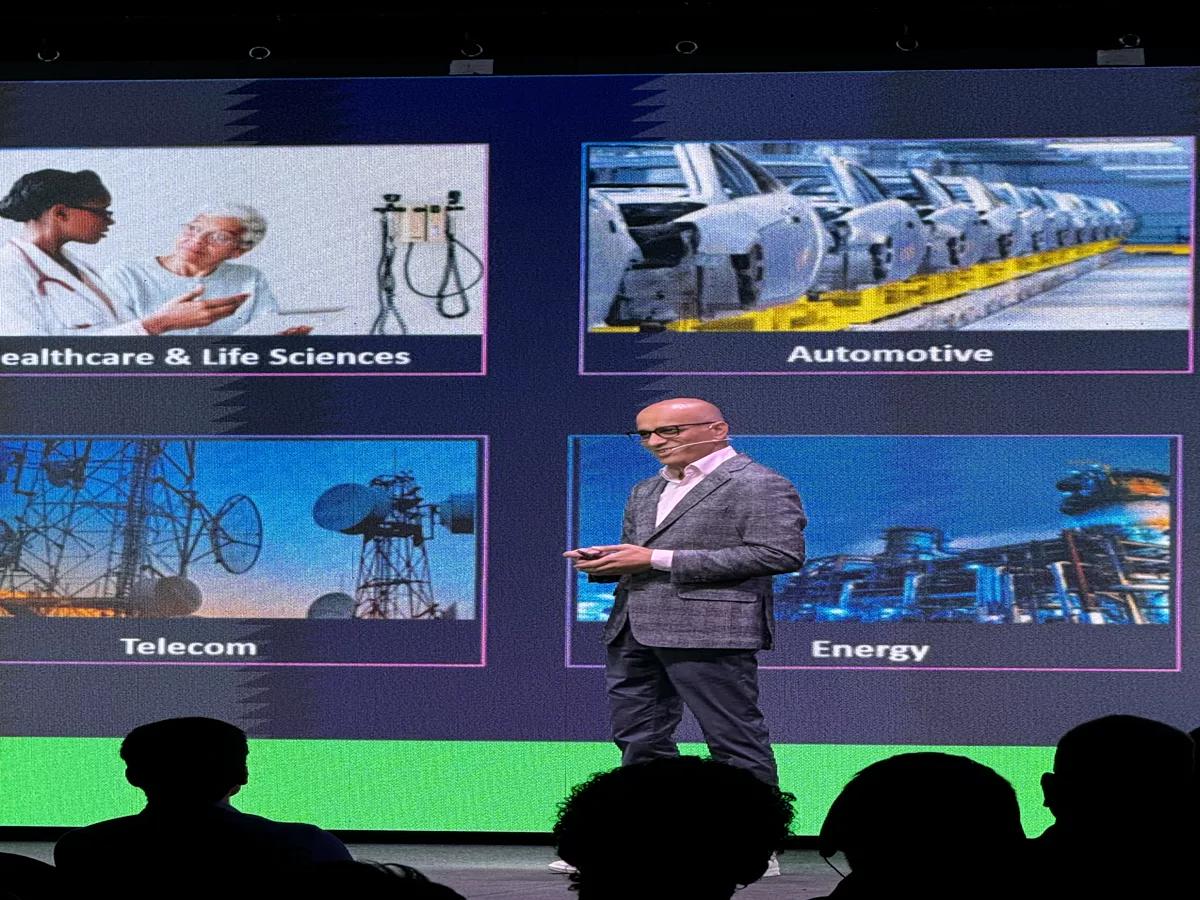
Industry verticals keynote
Argentina
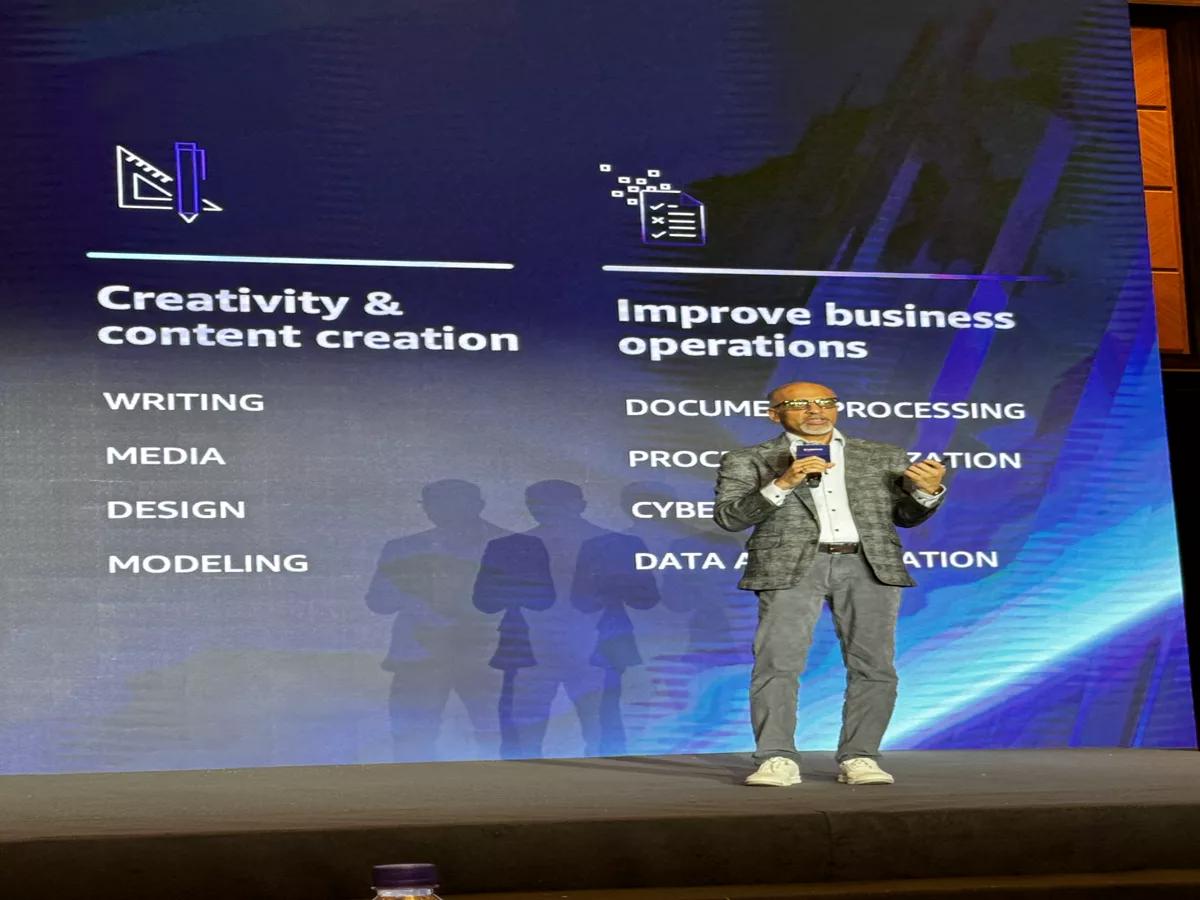
GenAI capabilities keynote
Beijing
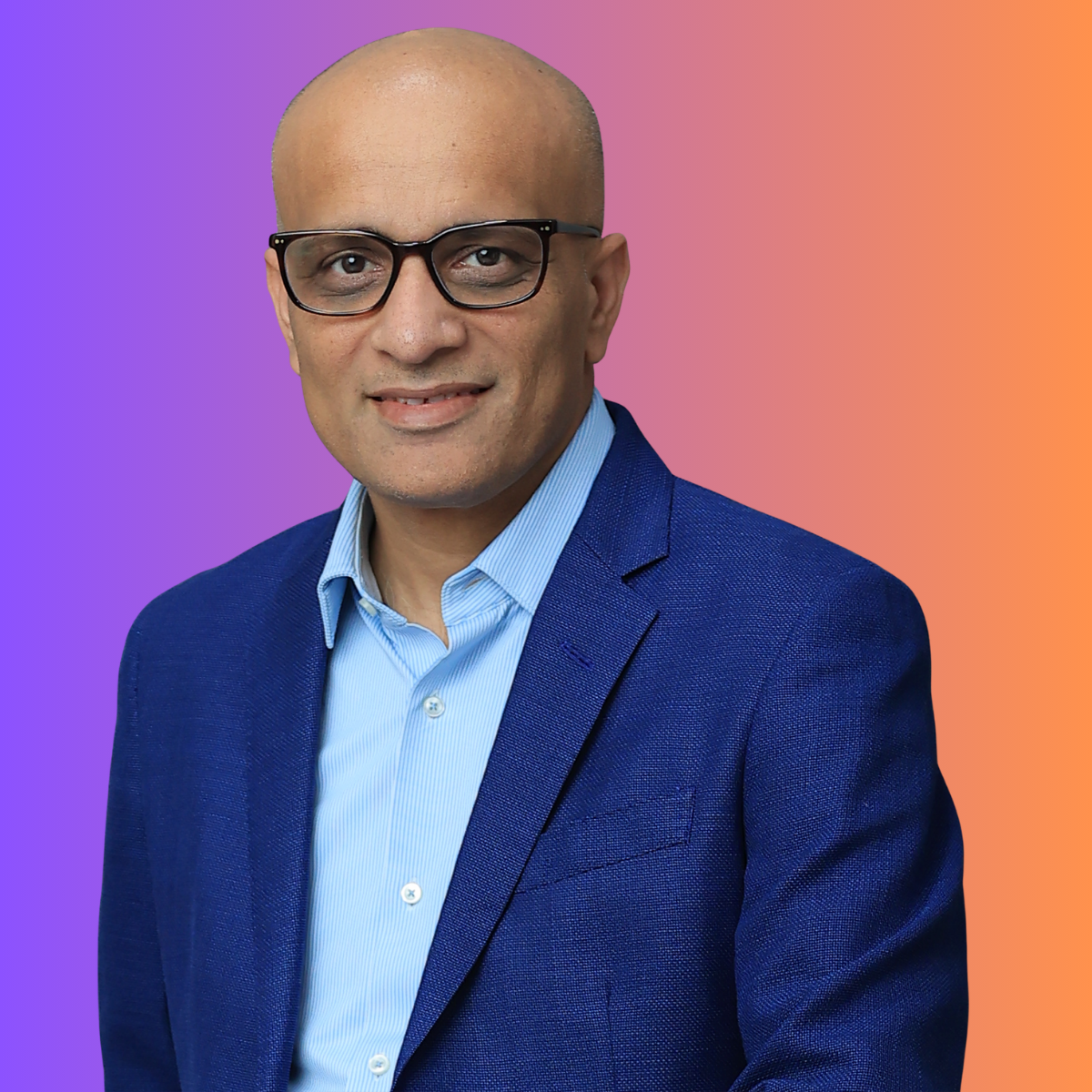
Delivered by
Ritesh Vajariya
Founder, AI Guru · Author, AI-Native Engineer (forthcoming) · Harvard Business School alum
Two decades in enterprise AI, cloud, and GenAI strategy — from Amazon Web Services (where he led AI GTM and drove $700M+ in AI revenue) to Cerebras Systems (global GenAI strategy during the foundation-model boom) to Bloomberg (where he architected core systems for BloombergGPT). Now teaches early-stage founders the discipline behind AI-native startup building — and runs the Claude Code Mastery Program.
AWS
$700M+ AI revenue
Bloomberg
Architected BloombergGPT
Claude prompt engineering
10,000+ trained
Also builds AI products in market — Vaidu (healthcare AI) and MillMind (industrial AI in production at an Indian paper manufacturer). Operator, not consultant.
Why founders need this now
The AI decisions you make this year determine your next 12 months
Every early-stage founder is making AI decisions right now — consciously or not. The ones who make them well ship 3× faster and burn 3× less. The ones who make them badly build the wrong thing for 6 months and then have to explain it to investors.
01
AI compresses time-to-MVP
A two-founder team with Claude Code can now ship what took a five-engineer team a year in 2022. The bar for what a lean startup can build has changed permanently.
02
The wrong AI decision costs runway
Building custom AI when off-the-shelf would have shipped in a week is the fastest way to burn 6 months of seed money and still not know if you have product-market fit.
03
Investors expect AI fluency
VCs no longer want to hear 'we're an AI company.' They want to see you deploy AI on the surfaces where it earns economics — and know when NOT to build it yourself.
The signature framework
Buy · Build · Orchestrate
The three ways a startup adds AI capability. Every early-stage founder is doing one of these — the trick is knowing which, and why.
Buy
Off-the-shelf AI, fastest wins
Most startups over-index on building AI when they should be renting it. Off-the-shelf tools cover 80% of the initial AI surface in weeks, not quarters — and they're always improving without your engineering team touching them.
- →Claude / ChatGPT for content + research
- →Cursor + Claude Code for engineering leverage
- →Perplexity + Deep Research for customer/market discovery
- →Zapier + AI for sales + ops automation
- →Off-the-shelf transcription, translation, summarisation
- →SaaS-level AI features — no infra to run
Build
Custom AI where it earns a moat
Build AI features only where they compound as a moat — your data, your workflow, your product surface. Not to look impressive to VCs. Founders who build the wrong thing burn 6–12 months of runway before they know it.
- →Retrieval over YOUR customer data (RAG)
- →Domain fine-tunes ONLY when you have the eval infra
- →Agents wired into your product's core workflow
- →In-product copilot experiences your users can't get elsewhere
- →Cost-optimised inference where margin matters
- →Evals + observability from day one, not year one
Orchestrate
The middle path most startups end up in
You end up gluing together bought services + a small amount of custom logic. The orchestration IS the differentiator — the raw AI is a commodity. Most successful AI startups look more like this than they admit in their pitch decks.
- →Compose 3–5 AI APIs into one product workflow
- →Cache + retry + fallback logic to control cost
- →Human-in-the-loop review before high-stakes actions
- →A/B multiple providers for reliability + margin
- →Own the workflow, rent the intelligence
- →Ship features weekly, not quarterly
Weak founder decision
“Let's train our own model”
— team of 3 · pre-seed · 8 months runway
6 months later: no PMF, no product, engineer burned out, investor confused, cap table needs restructuring.
Strong founder decision
“Ship v1 on Claude API, measure retention. Build only if the orchestration becomes the moat.”
6 months later: 3 paying customers, PMF signal, engineer has data to decide, investor sees traction, cap table intact.
Learning outcomes
What you'll walk out understanding
When to buy vs build vs orchestrate — with real numbers
How to ship an AI feature with Claude Code (or Cursor) as founder-engineer
Growth AI plays: content, outbound, support, ops — non-technical wins
Unit economics of an AI feature — cost, latency, margin
How to describe your use of AI to VCs without triggering their BS detector
How to size an AI feature's moat before you build it
When to use retrieval vs fine-tuning vs orchestration
How to run an internal AI adoption sprint for your team
What NOT to promise investors about AI capabilities
Where the AI landscape is going in 12 months — and what to bet on
Sample agenda
3.5–4 hour founder-focused agenda
Roughly half framework + strategy, half hands-on + peer clinic. Structured so technical AND non-technical founders can both stay engaged throughout.
| 0:00–0:20 | AI-Native Startup: what it actually means (and doesn't) |
| 0:20–0:55 | The founder's decision framework: Buy · Build · Orchestrate |
| 0:55–1:35 | Hands-on: Claude Code for MVPs — ship a real feature in the room |
| 1:35–1:50 | Break |
| 1:50–2:25 | AI for Growth: content, outbound, support, ops — where non-technical founders win |
| 2:25–3:00 | Unit economics of AI features: cost, latency, moat |
| 3:00–3:30 | Pitching AI capabilities to VCs — without the BS |
| 3:30–4:00 | Peer clinic: bring your idea, get real feedback |
The peer clinic
Bring your idea. Get real feedback.
The last 30 minutes is a working session. Every founder describes their AI feature idea in 60 seconds; Ritesh + the room give the Buy/Build/Orchestrate call in real time.
What the peer clinic looks like
- 1You describe: what your startup does + the AI feature you're considering
- 2Ritesh classifies: is this a Buy, Build, or Orchestrate call?
- 3Peers weigh in: who has tried something similar? What worked / didn't?
- 4You leave with: a decision (not just an opinion) + who to talk to next
The room is the leverage.
20–60 founders in one room with a shared framework is worth more than any consultant.
What you leave with
Six concrete artifacts, not slides you'll forget
Buy · Build · Orchestrate decision map
A one-page framework you take back to your team to make the right AI investment call — before you burn engineering weeks in the wrong direction.
AI-ready MVP scaffold
A working Claude Code project on your own stack, ready to extend the following Monday. Not a demo, a starting point.
Growth AI playbook (non-technical)
Concrete workflows for content, outbound, customer support, and ops that your founding team can run without hiring.
AI unit-economics worksheet
Numbers that make cost, latency, and margin real for your product — the numbers your investors will ask about.
Investor talking points
How to describe your AI use of AI to a VC without triggering their BS detector or under-selling what you actually do.
Certificate of participation
AI Guru® Certificate, signed by Ritesh Vajariya, LinkedIn-shareable and QR-verifiable. A signal to future hires, investors, and partners.
Every attendee receives
AI Guru® Certificate of Participation
Signed by Ritesh Vajariya, Founder of AI Guru. Issued digitally after the workshop — LinkedIn-shareable, printable, and QR-verifiable. A signal to future hires, investors, and partners.
Preview shown — your certificate will carry your name and the event date.
Curated audience
Who this is for
Good fit
- ✓Solo founder or two/three co-founders, technical or mixed
- ✓Pre-seed / seed / bootstrapped startup team
- ✓Series A startup adding AI features to an existing product
- ✓Incubator or accelerator cohort (host format)
- ✓Serial founder exploring the next AI-native venture
- ✓Founding engineer at an early-stage startup
- ✓Non-technical co-founder who wants a real founder's-eye view of AI
- ✓Aspiring entrepreneur planning to start something soon
Not a fit
- • Fortune 500 enterprise leader (see our Executive AI Briefing instead)
- • Attendees who don't ship anything (this is not an AI awareness talk)
For incubators & accelerators
Formats that fit incubator programming
AI Guru can run this workshop as a stand-alone cohort session, as cohort-integrated programming spread across your batch, or as part of your investor-facing programming.
Default
Incubator Half-Day
3–4 hour workshop for the current cohort. Framework, hands-on, growth AI, unit economics, peer clinic. Best for 20–60 founders.
Multi-session
Cohort Integration
Split across your accelerator batch — one session per month, or four consecutive weeks. Includes async office hours between sessions.
Event partner
Demo Day Partner
AI Guru delivers a founder-focused keynote + workshop as part of your demo day or investor event. High-signal add for LP-facing programming.
Annual event
Alumni Founder Network
Reunion-style upskilling for alumni founders 1–5 years post-program. Peer clinic, updated framework, current AI landscape briefing.
Bring us to your incubator
Typical partnership: you bring the cohort, we bring the workshop
We adapt the agenda to your batch's stage (idea → seed → Series A), sector mix, and technical density. Member sessions are typically free for cohort founders under a partnership.
Questions
Frequently asked
Do I need to be a technical founder?+
No. The workshop is deliberately built for mixed founder audiences. Technical co-founders lean into the Claude Code hands-on segment; non-technical co-founders lean into the Growth AI and Unit Economics segments. Both walk out with a shared framework.
Is this only for AI startups?+
No — and that's a feature. Most successful AI-native startups don't call themselves 'AI startups.' They use AI on the right surfaces to move faster than competitors. This workshop teaches how to make those calls whether your product is fintech, healthtech, edtech, SaaS, or DTC.
What tools do we need?+
For the hands-on segment, bring a laptop with a code editor and git. We'll help set up Claude Code (or Cursor / Copilot) live in the session. For the non-technical segments, any laptop with a browser is enough.
Who is this for on our team?+
Founders + the first 3–5 people who make decisions about what to build and how. If your cofounder isn't in the room, half the value is missed — most AI decisions get made in the cofounder conversation the following week.
Will we build something we can actually ship?+
You'll build a working Claude Code feature scaffold on your own repo — not a toy. It's the starting point for an actual feature, not a completed product. Most teams extend the scaffold the following week.
Can we run this for our incubator batch?+
Yes. The default format is a 3–4 hour session on your campus or hub, tailored to your cohort's stage. Cohort-integration formats (spread across a batch program) and demo-day partner formats are also available. Reach out via the incubator CTA on this page.
Is there a certificate?+
Yes. Every attendee receives an AI Guru® Certificate of Participation, signed by Ritesh Vajariya, LinkedIn-shareable and verifiable via a QR code on the certificate itself.
Is there a fee?+
Depends on the hosting format. Incubator-sponsored cohort sessions are typically covered by the host program (attendees free). Public open-enrollment editions may carry a nominal per-attendee fee. Reach out to discuss the format that fits your batch and budget.
2026 Editions · Incubator & Accelerator Formats
Ready to build AI-native?
Whether you're a founder registering yourself or an incubator manager registering your batch — start here.
Or email us directly at [email protected]