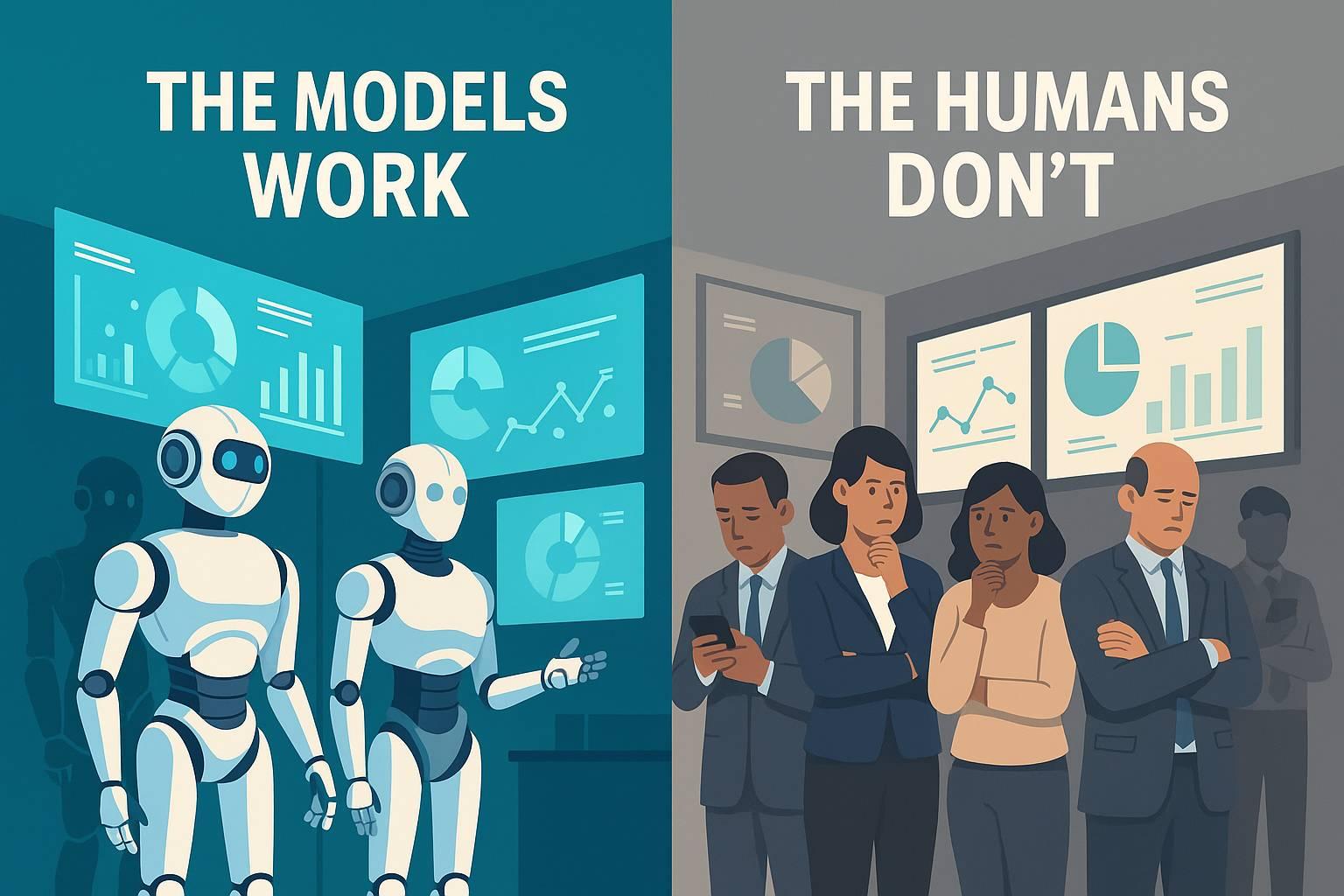
AI tools are remarkably good at sounding confident. They deliver answers in complete sentences, with professional tone and impressive detail. The problem is that they sound exactly the same when they are right and when they are completely wrong.
In 2023, a New York lawyer submitted a legal brief containing six case citations that did not exist. His AI tool had invented them — complete with plausible case names, realistic docket numbers, and convincing summaries. The lawyer trusted the confident output and did not verify. He was sanctioned by the court.
You do not need to be a lawyer for this to matter. Anyone using AI output in their work, their decisions, or their communication needs to know how to spot the cracks.
Five Red Flags
1. Too-Perfect Answers
When an AI response addresses every aspect of your question perfectly with no caveats, qualifications, or uncertainty, be cautious. Real expertise almost always comes with nuance. If the answer feels like it was written for an exam, it might have been assembled from fragments rather than grounded in actual knowledge.
2. Vague Sourcing
Watch for phrases like 'studies show,' 'research indicates,' or 'experts agree' without naming specific studies, researchers, or institutions. AI frequently generates these attribution patterns to sound authoritative. If you cannot trace a claim back to a specific, verifiable source, treat it as unverified.
3. Unusual Specificity
AI sometimes generates extremely specific statistics, dates, or figures that feel too precise. A statement like 'this technique was developed in 1987 by a team of 14 researchers at Stanford' sounds credible but may be entirely fabricated. Hyper-specific details that you cannot verify elsewhere deserve extra scrutiny.
4. Confident Claims on Contested Topics
When AI presents one side of a genuinely debated issue as settled fact, that is a red flag. Complex topics like economic policy, nutrition science, or management best practices rarely have single right answers. If the AI does not acknowledge competing perspectives, it is probably oversimplifying.
5. Information You Cannot Find Elsewhere
This is the strongest red flag. If a claim, statistic, or quote generated by AI does not appear anywhere else when you search for it, there is a good chance the AI made it up. This is called a hallucination, and it happens more often than most people expect.
The Four-Part Evaluation Framework
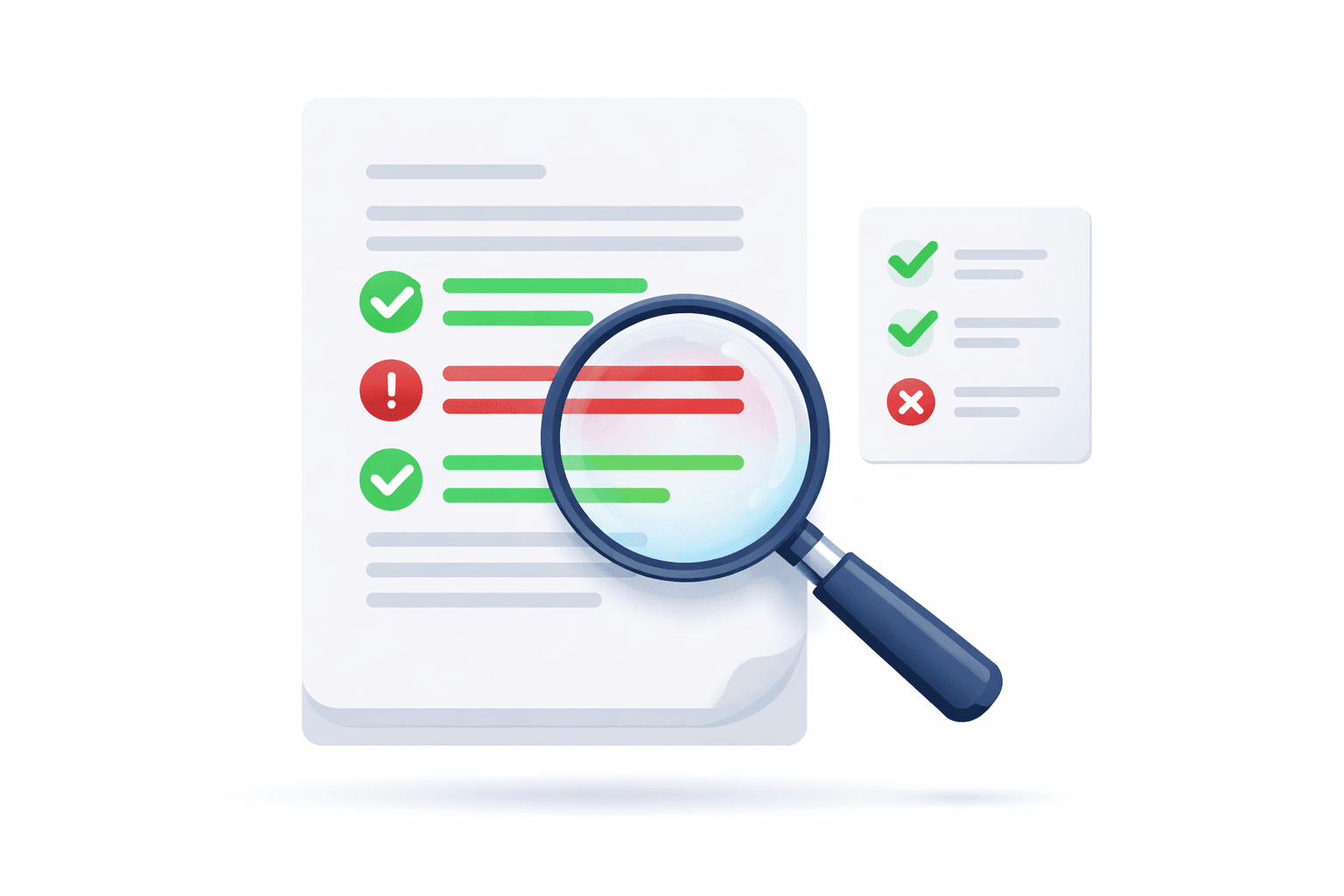
When you need to assess whether AI output is trustworthy, run it through these four checks:
- Accurate — Can you verify the core claims through independent sources?
- Relevant — Does the output actually address what you asked, or did the AI answer a slightly different question?
- Appropriate — Is the tone, detail level, and format right for your audience and purpose?
- Consistent — Does the output contradict itself or conflict with things you know to be true?
When to Verify
You do not need to fact-check every AI response. But you should always verify when:
- You plan to share the output with others
- A decision depends on the information
- The output includes specific claims, statistics, or quotes
- The stakes are high — financial, legal, medical, or reputational
Verification is not distrust. It is professional responsibility. The best AI users are not the ones who trust AI the most — they are the ones who verify the fastest.